 Mon, Jun 20, 2022
Embedding an Editable Repl is Going Away
We've started the process of deprecating editable embedded Repls, these will become read-only from August 1st. You might be wondering why? Abuse of Repls is Problematic This blog post from 2020 explains the situation well, when you run a Repl from within an embed it is essentially being used anonymously and can therefore have a massive burden on your experience by swamping our servers with abuse. Not having the option to have editable embeds means that we avoid this problem altogether. Clickjacking is a Thing
 Wed, Jun 1, 2022
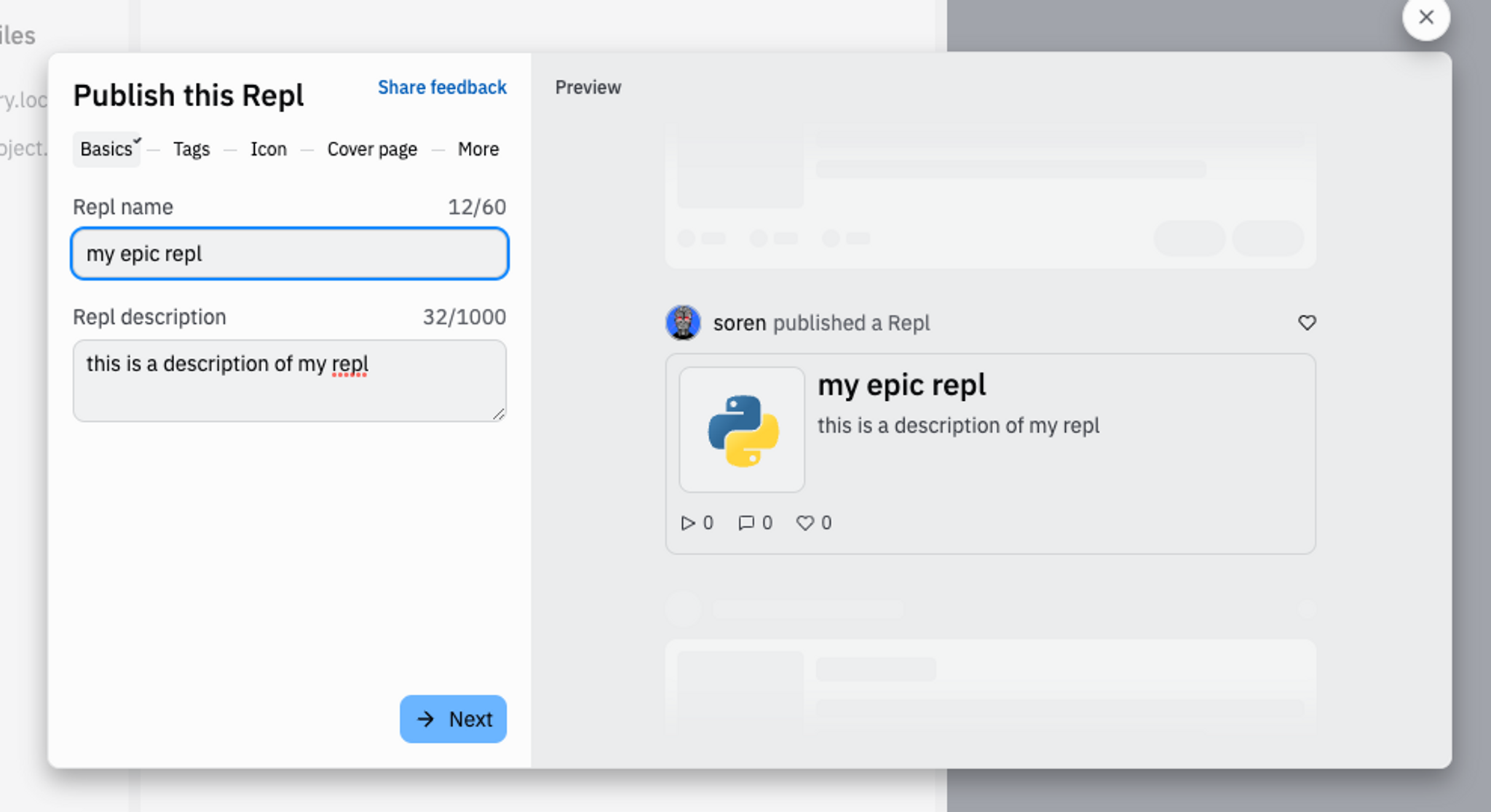
The New Publish Flow
TL;DR - sharing stuff you make on Replit is now easier than ever. Replit has the most powerful primitive of any social platform that has ever existed. On Twitter, Instagram, Facebook, and many others, you only have the option of sharing text, images, and videos. On Replit, the core primitive is a computer. The thing that's actually shared on the Replit social network is a runnable machine. We've had users build and share games, personal websites, trading bots, password crackers, operating systems, and even MacOS clones. In the past, the process of sharing your work on Replit has been buggy and confusing. The old publish flow didn't make much sense, especially to new users. It used to be unclear what "publishing" really even did. I'm excited to share that we've completely revamped the publish flow. Not only is the sharing experience more streamlined, but creators have more control over how people actually consume their work.
 Tue, May 31, 2022
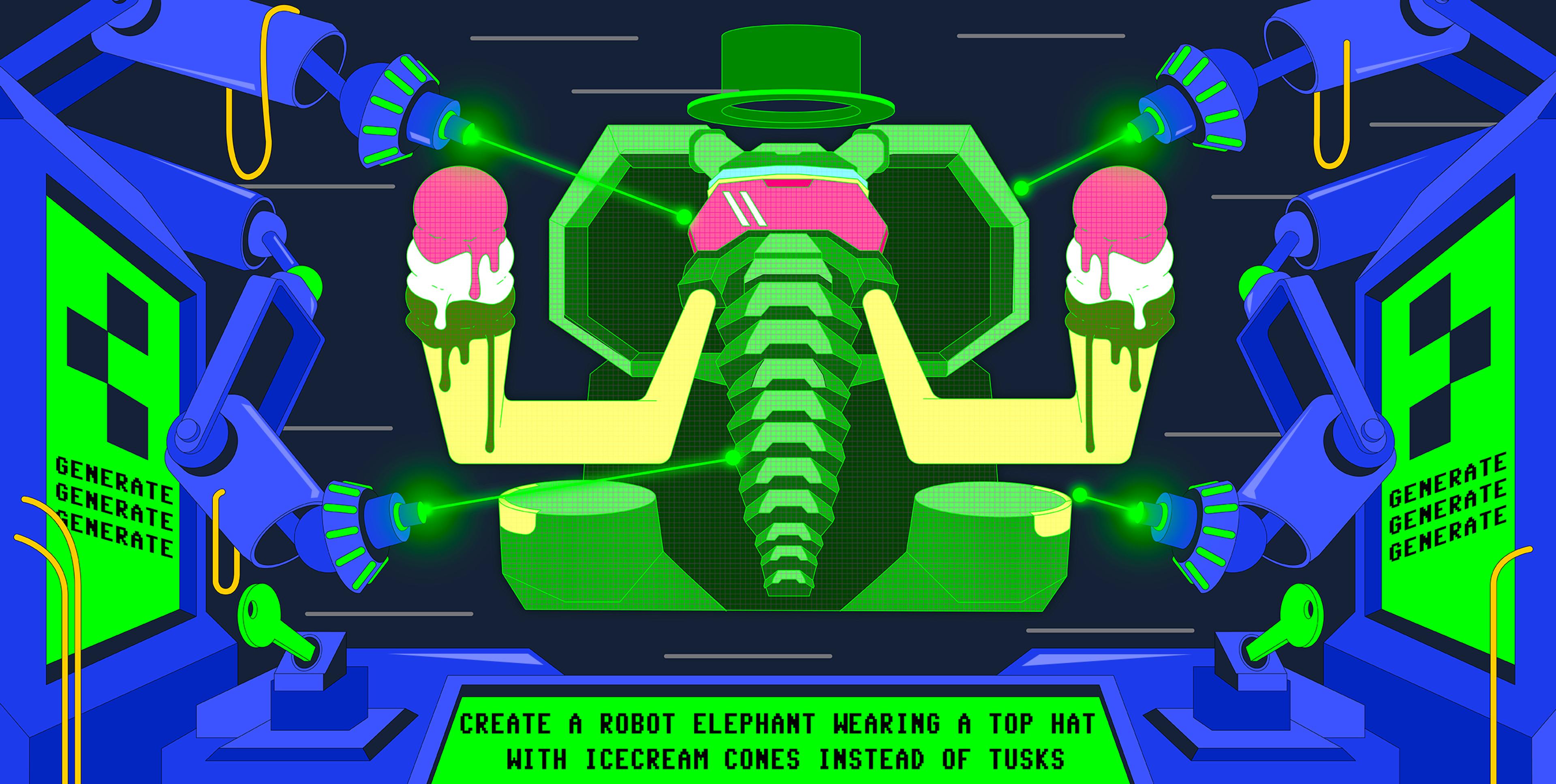
“Generate code”: state what you want, get code back
Today, we're launching “Generate code” to all subscribers of our Hacker Plan. With “Generate code”, you state what you'd like your code to do, and an artifical intelligence writes it for you. You can then run the code right from your repl, with all the other Replit features you know and love (packages get magically installed, a web server gets started if you need it, you can invite your friends for a multiplayer session, and much more). At Replit, our mission is to bring the next billion software creators online. We think that in order to achieve that mission, we need to bring the time from idea to running code to as close to zero as possible. Along with the many features we already offer, we think code generation is a major step in that direction. If you're a beginner, you can use code generation to get a starting point from which to build your idea. If you're an experienced programmer, you can use code generation to quickly get snippets of code without having to leave your repl. And no matter what your level of experience is, you'll likely find that using code generation is a ton of fun! If you're a Hacker Plan subscriber, head to the workspace and pick the “Generate code” feature from the context menu. Tell it what you want, and it will automatically detects the language of the file you're in and give you back its best attempt at what you requested.
 Mon, May 30, 2022
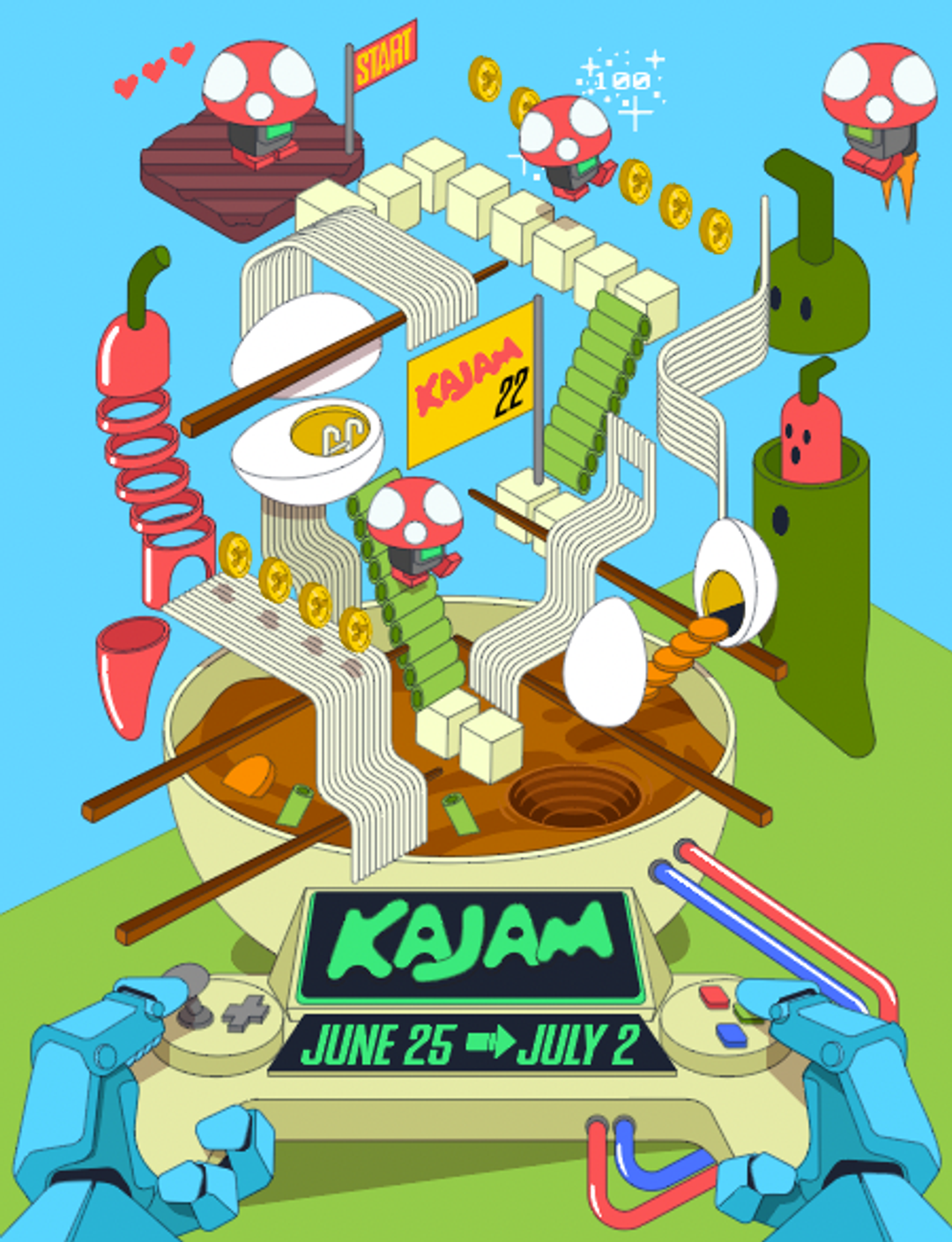
Announcing Kajam 2022! Here's how to get started...
We are stoked to announce Kajam 2022 - Replit's second annual game jam! If you're interested in registering head right on over to the official Kajam site. This year, we're leveling everything up - including the prizes. The total prize pool is over $35,000 and will be split up amongst 7 different prizes. Kajam registrants will have 7 days to hack together the best dang game they can dream up. How do I participate? To start off, you'll need to register for Kajam which you can do here. Kajam will officially take place from June 25th to July 2nd. Once you're done with the final touches on your game, you'll need to make sure it's submitted. To submit your game, you'll need to do two things. First, post the repl of your game to replit.com/community with the hashtag #Kajam2022. Once posted, you'll also need to submit your game through the submission form on the official jam site. Your game must be submitted by 11:59 PM PST on July 2, 2022. When the hackathon ends and all games are submitted, we'll give the judges 3 days to choose winners. The judges will be choosing winners based on the prize categories listed on the jam site. Be sure to tune in to our closing ceremony livestream on YouTube on July 9 to hear us announce the winners live!
 Wed, May 25, 2022
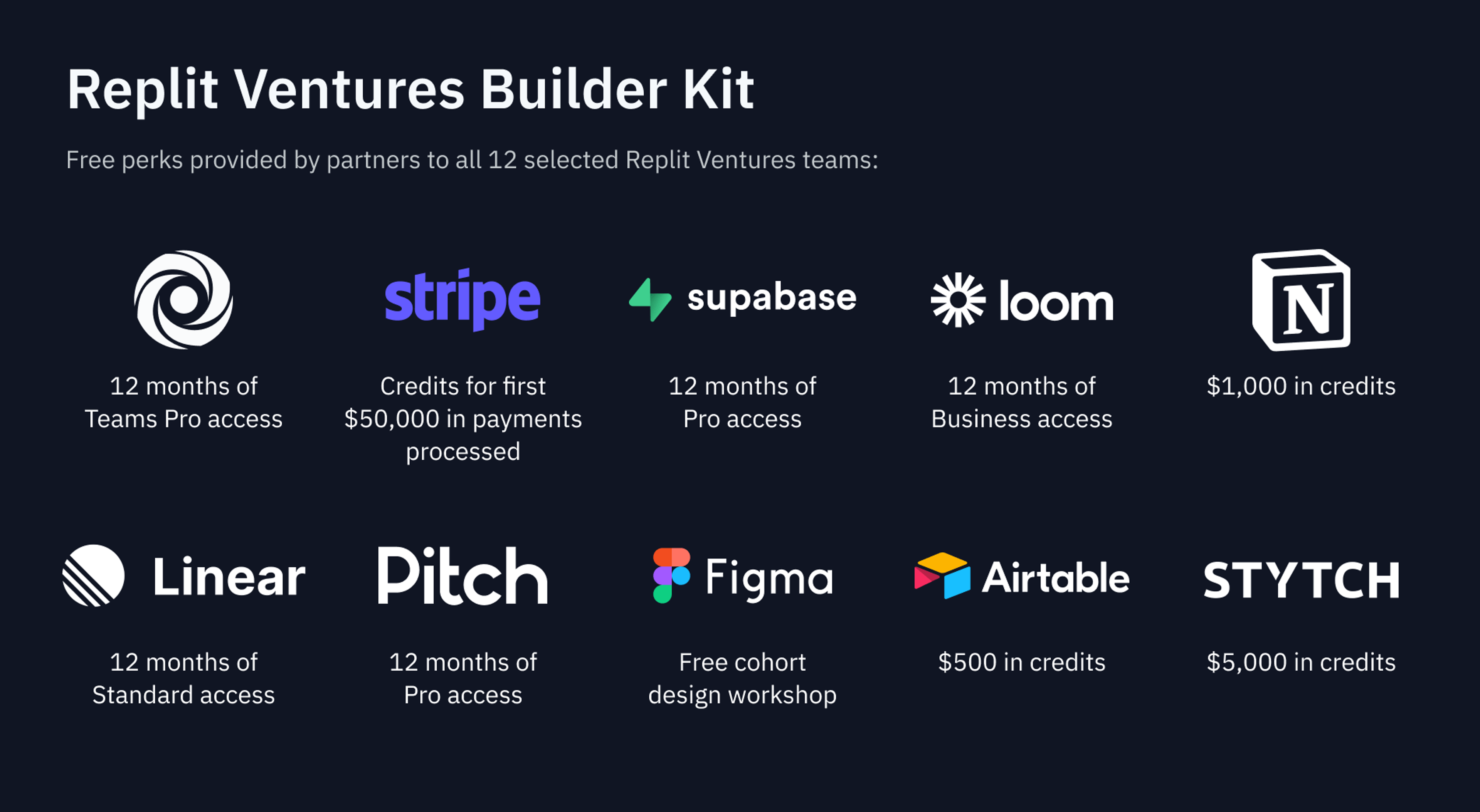
Announcing the Replit Ventures Builder Kit
A few weeks ago, we announced Replit Ventures. 12 teams from across the world will receive: A $10,000 grant Ten weeks of mentorship Expertise from guest speakers, including Y Combinator This is a 10x investment from our last Replit Ventures… but we did not stop there! Supporting creators & builders is core to Replit, but we are not the only ones that feel that way. Since the announcement, we have been working with best-in-class partners to provide a set of tools for our selected teams to build faster!
 Tue, May 17, 2022
Tips for safer social repl development
Replit makes coding into a social activity, in many different ways. You can easily share your repl with our vibrant developer community to receive feedback, tips, and kudos. Our multiplayer features allow you to write, review and debug your code together with buddies. And with access to the full power of the Internet and dozens of powerful programming languages, you can even write code that brings other users into your repl in real time. This isn’t a new feature. In fact, our co-founder Amjad Masad has written about how a 12-year old user of Replit hacked the first chat app and community space on Replit way back in 2018. Amjad also explains how it didn’t take long for spammers and other bad actors to find this chat room, and how that spurred the development of moderation features and filters. Today, you can find any number of multiplayer games, chatrooms, and other social apps on Replit, many of which have faced similar challenges to remain free of spam, profanity, and other abuse. So if you’re developing a repl with social features, what do you need to know? While it isn’t intended as a comprehensive guide, this blog post will point you in the right direction to stay a step ahead of users with mischievous or harmful intentions. Safety by design The very best way to avoid the abuse of your repl is to think about the ways in which it could be misused while you’re still planning it out, so that you can take proactive steps to avoid such misuse. Every app is different, so there’s no one-size-fits-all solution. But an example of a common safety feature for apps that allow messaging is to include rate limiting and filtering to prevent users from sending repeated, spammy, or abusive messages. If your repl also allows its users to chat with each other, allowing them to block unwanted communications is a good safety precaution to take. But an even better one may be to disallow direct messaging altogether, by limiting users to public group chats. This is an especially good idea if your repl is targeted at minors.
 Sun, May 15, 2022
Template Jam 2022
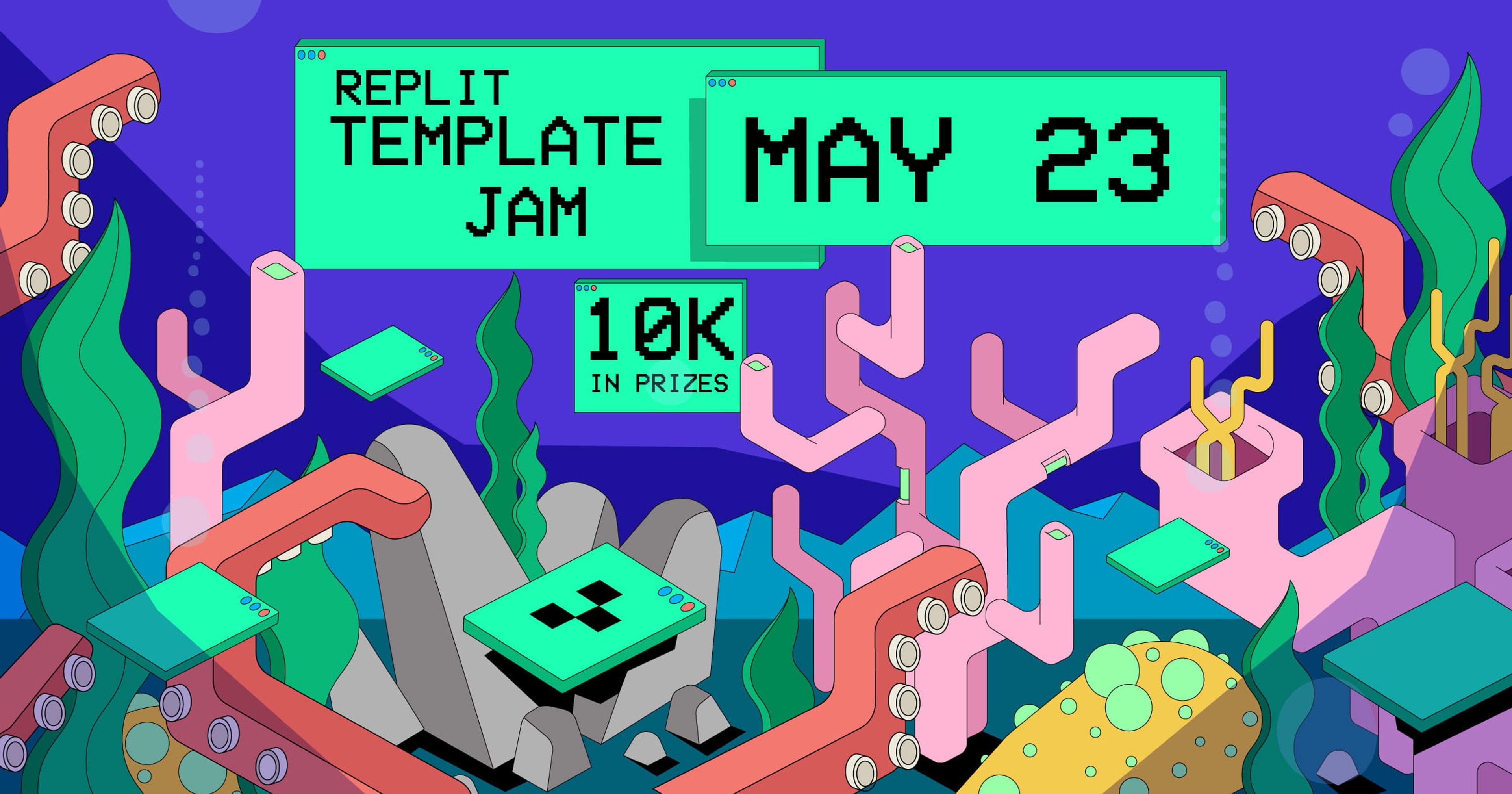
Since we introduced templates, many of you have asked to get in on the action. We have some amazing community templates already, but we want to get everyone involved. We've been hard at work revamping both the templates page and publishing flow so that everyone can create and publish a template. We're rolling this out over the next week, so keep your eyes peeled! To celebrate this new release, on May 23rd, we're bringing Template Jam back. This time there will be $10,000 USD in prizes and you'll have the power of Nix behind you. We're excited to see all the wonderful templates you create, and brand new ways for people to create on Replit. What are templates and how do I make one?
 Mon, May 9, 2022
Automating Minecraft on Replit
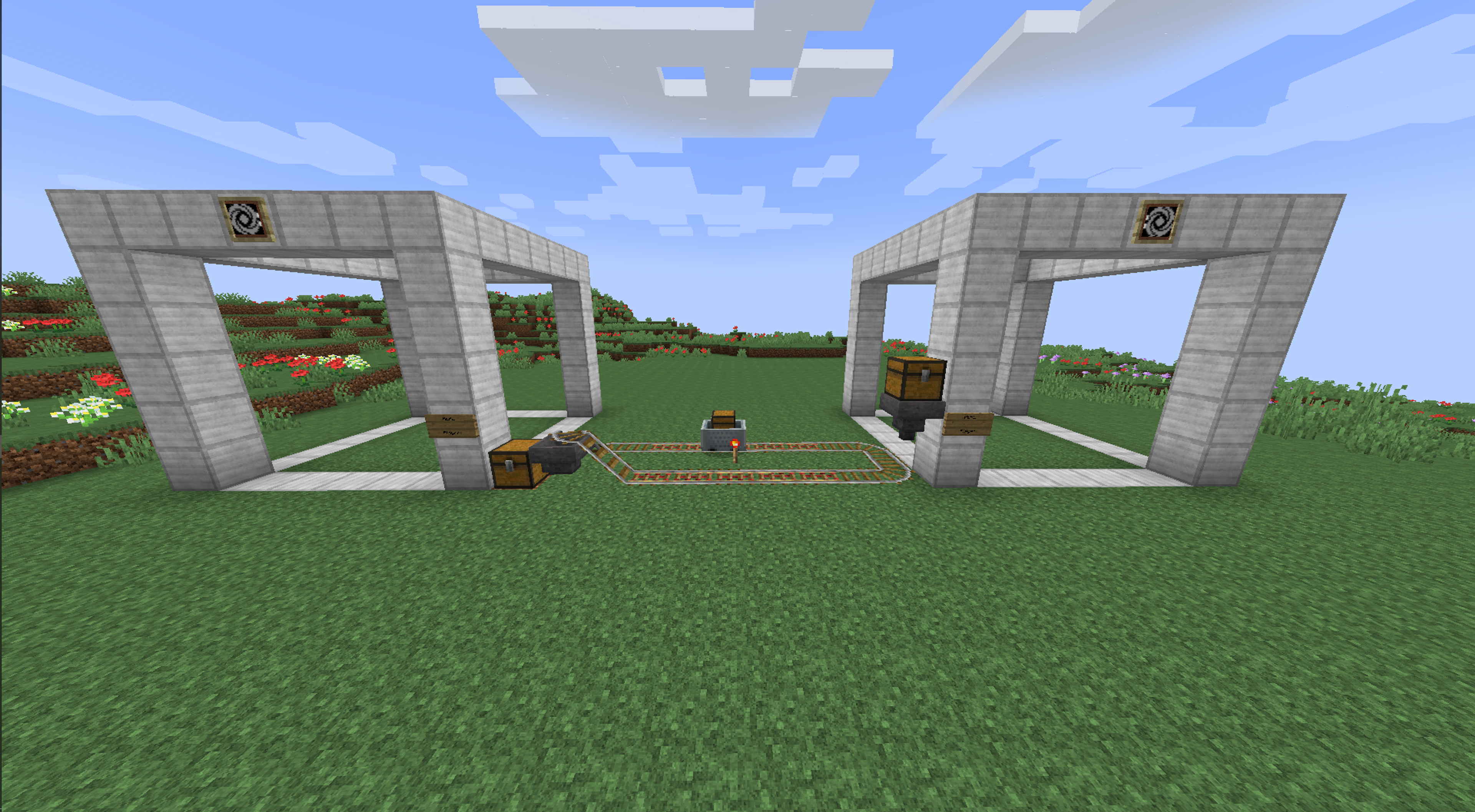
Replcraft is a library that allows you to automate parts of your base on a Minecraft server using code, directly from a repl. Replcraft allows you to get and place blocks, check for entities, move and craft items, read redstone, and more. This tutorial will cover a number of small projects you can build using Replcraft. If you'd be interested in joining an official Replit community Minecraft server, seeing more Minecraft-related content in the future, or you just want to leave general feedback, you can do so by commenting on this repl. Getting started Before you begin, you'll need a Replit account and a Minecraft account. To get started, fork the Replcraft template and join a Minecraft server running the Replcraft plugin. Next, create a special structure made up of a frame of iron blocks:
 Wed, May 4, 2022
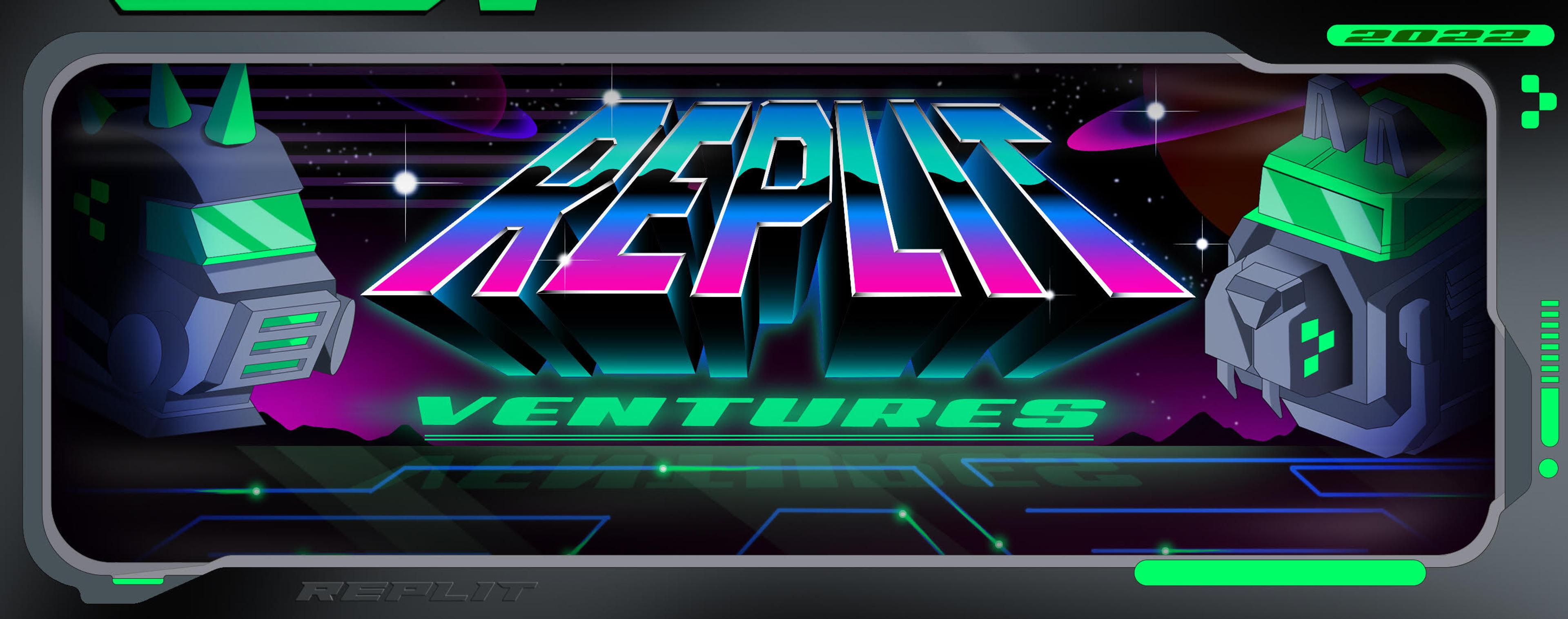
Announcing Replit Ventures 2022
Apply to RV1 here Today, we are excited to announce Replit Ventures 2022 (aka RV1), and this year, we have huge news for our community: we are 10x’ing the program! Last year, we piloted the first Replit Ventures, and the results were enormous: 400+ applications in one week 6 teams selected $2,000 in Bitcoin or USD per selected team
- Fri, Apr 22, 2022
Winning projects of MadeWithReplit
Whats #MadeWithReplit? MadeWithReplit was our first ever ReplCon hackathon! Participants had the chance to win amazing cash prizes, share their work with the world, and hone their coding skills. We wanted this hackathon to celebrate and inspire our community members. As such, the prizes were $10k total, but making friends along the way and the pride of sharing inspired projects were priceless bonuses as well. Even more, there was no theme, so replers could code with unbounded creativity! Read on to check out our winning submissions! Honorable mentions Most Replity: ReplCraft
 Mon, Apr 18, 2022
How Do You Do, Fellow Teachers?
Hi everyone! I'm David Morgan (@LessonHacker), I'm stepping into the Teacher + Customer Success role and am ridiculously excited to be working at Replit and being part of this amazing community. I have been working as a secondary school Computer Science teacher in the UK for the best part of two decades, and am passionate about making CompSci education frictionless and accessible for all. I'm sure I had more hair on my noggin when I started teaching though… but, rather than blather on about myself, I thought that, by way of introduction and to show off my teacher-cred, I'd start off by showing you my favourite thing about Replit for teaching programming. Collaborate for the Win I don't think there's enough love given to the way that Replit multiplayer also allows collabotative communication between many users. As a teacher I find this sort of thing invaluable, and it's one of the big differentiators that makes Replit more powerful than any other IDE because you can collaborate on code exactly the same way you'd work on something like a Google Doc. Multiplayer is the superpower of Repls, and Teams for Edu turns multiplayer on by default.
 Sun, Apr 17, 2022
Your New Replit Profile
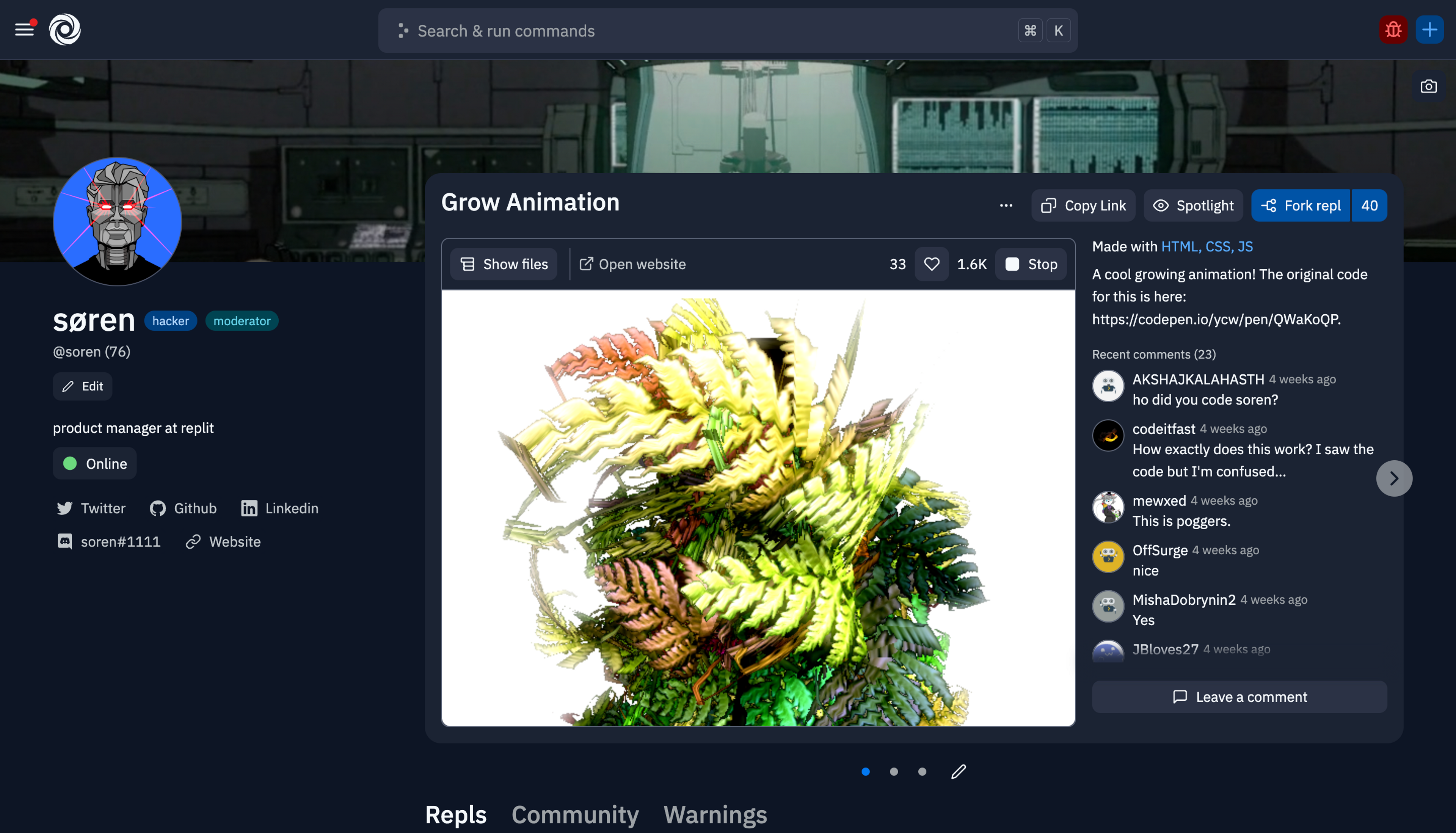
You may have noticed that the "My Repls" and "profile" pages look different. We decided to combine these surfaces into one unified page. The new profiles are fresh, more social, and more customizable than ever before. Go take a second and customize your profile! Add links, a banner, and pin your favorite Repl. What changed? We combined the My Repls and profile pages Live presence
- Sun, Apr 17, 2022
QLTY SZN 1
A commitment to quality One of our competitive advantages is making bets on technologies before the rest of the market catches on. One such bet we've made is on CodeMirror. We switched our editor from a proven but stagnant technology, Monaco, and towards CodeMirror. We know we made the right decision because: We can now make changes, most importantly bug fixes, much more quickly. The new search panel we were able to build is much better than the version that shipped with Monaco. The new editor's improved performance is already showing up in better user onboarding success. CodeMirror's extensibility will enable us to ship one of the most most long-awaited features: Themes!
 Wed, Mar 30, 2022
We Built a Search Engine
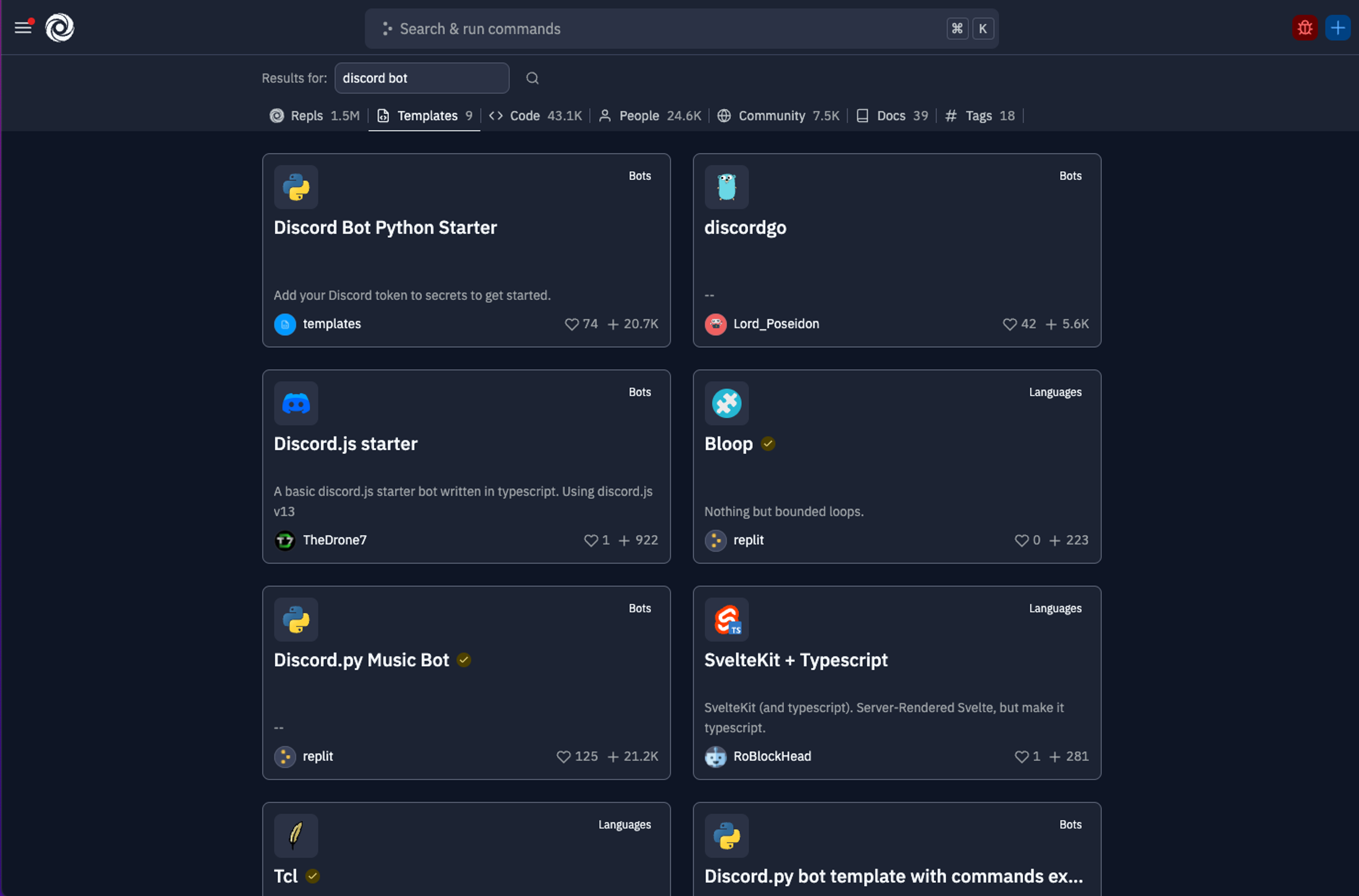
For the past few months, we have been building a Replit-native search engine. It is remarkably powerful, and we are really excited for you all to try it out. We believe that you should be able to find anything on Replit in less than 30 seconds. This might sound simple, but when you have 100 million+ Repls, it becomes complicated. :) When you search for something on Replit today, you'll see a page with relevant results from the following categories: Repls Templates Code (yes, code)
 Mon, Mar 28, 2022
Build a Speech-to-Text App with AssemblyAI on Replit
Transcription, or speech-to-text (STT), is a very helpful feature for various use cases, from AI assistants to video captioning. You can use it to create immersive virtual experiences and accessible interfaces unlike ever before. It’s no wonder STT-driven apps and services are in high demand. In this article, you’ll learn how to implement STT functionality in your own app with ease using AssemblyAI. Its API provides simple access to advanced AI models that can transcribe your audio or video files and even real-time streams. You’ll use AssemblyAI together with React, Next.js, and Replit to build a simple app for transcribing uploaded files. You can follow along with the repl here. What Is AssemblyAI Before diving in, take a moment to get to know AssemblyAI and its vast feature set. On top of both real-time and async transcription, AssemblyAI API provides many features related to general audio intelligence: