
This is part 4 of a 6-part series we’re running about how product managers are using AI tools and vibe coding. Written by and for product managers.
Summary
- Requirements docs, decks, and tickets go stale because PMs update them by hand. Agentic workflows fix the source of that problem, not the symptoms.
- When the prototype is the source of truth, the artifacts around it — briefs, criteria, decks — update as the product changes, not after.
- Replit Agent 4 runs tasks in parallel and surfaces results for PM review before anything touches the main project.
- Glean and Atlassian integrations pull research into the build process and push finalized specs to engineering without a separate handoff step.
- Faster execution doesn't shrink the PM role. It shifts it toward the work that actually requires human judgment.
Introduction
I used to spend a significant chunk of my week keeping artifacts in sync. Requirements docs, leadership decks, marketing briefs, Jira tickets — all downstream of a product vision that was evolving faster than I could manually update everything around it. Something always drifted. Something was always stale.
That changed when I started treating the prototype as the center of gravity for the entire workflow. Not a throwaway demo, but the single source of truth that drives the documentation, the alignment, and the engineering handoff. The artifacts update themselves. The research context gets pulled in automatically. And I spend my time on product decisions.
Here's how that works, and why it matters for any product manager building with agentic workflows.
The real problem isn't autonomy, it's manual sync
Let's be honest about what PMs are actually worried about. It's not that an Agent might do work faster than a human. It's that work will happen without visibility, changes will land without review, and teammates won't know what's done versus what's in progress. Those are valid concerns.
But here's the thing: those problems already exist. Think about your last week. How much of it was doing the work versus managing the work about the work? Status checks in Slack. Update requests across three tools. Dependency tracking in a spreadsheet that's already stale. PMs are hired to direct work, but spend most of their time coordinating it. And the coordination is mostly manual sync — keeping requirements, decks, briefs, and tickets aligned as the product evolves.
That manual sync is where things break. Not because PMs aren't diligent, but because the volume of handoffs and artifacts in a cross-functional workflow makes perfect manual alignment nearly impossible. Something always drifts.
The question isn't "should I trust an Agent to do the work?" It's "what if the Agent could keep everything in sync while I focus on the decisions that actually matter?" That's not giving up control. That's getting more of it.
The prototype as the center of gravity
This is where my own workflow has changed the most. As has been mentioned in the previous parts of this series, the conventional PM loop is a combination of writing docs and requirements and hand-offs to subsequent teams—write requirements, hand off to design, hand off to engineering, update the deck for leadership, update the marketing brief, and hope nothing drifts out of sync along the way. Every handoff is a chance for context to get lost.
What I've started doing instead is treating the prototype itself as the single source of truth. Not a throwaway demo. Not a static mockup. A living, working artifact that the entire cross-functional workflow orbits around.
Here's what that looks like in practice.
- I build a prototype and iterate on it with stakeholders directly.
- Design reviews happen against real, working UI, not screenshots in a slide deck.
- Product and engineering evaluate feasibility against something tangible.
As the prototype evolves, the surrounding artifacts update automatically alongside it: acceptance criteria and requirements stay current with every iteration; slide decks for different leadership audiences regenerate to reflect the latest state; marketing content adapts to whatever the product actually does now, not what we thought it would do three weeks ago.
The prototype doesn't just represent the product vision. It drives the documentation, the alignment materials, and the handoff artifacts. When I make a change, I'm not updating five places manually. The system keeps everything in sync.
Integrations are what make this workflow extend beyond the prototype itself. Through something like a Glean MCP, the Agent can pull in context from internal user research, past design reviews, or other enterprise knowledge to augment ideas and surface considerations I might have missed.
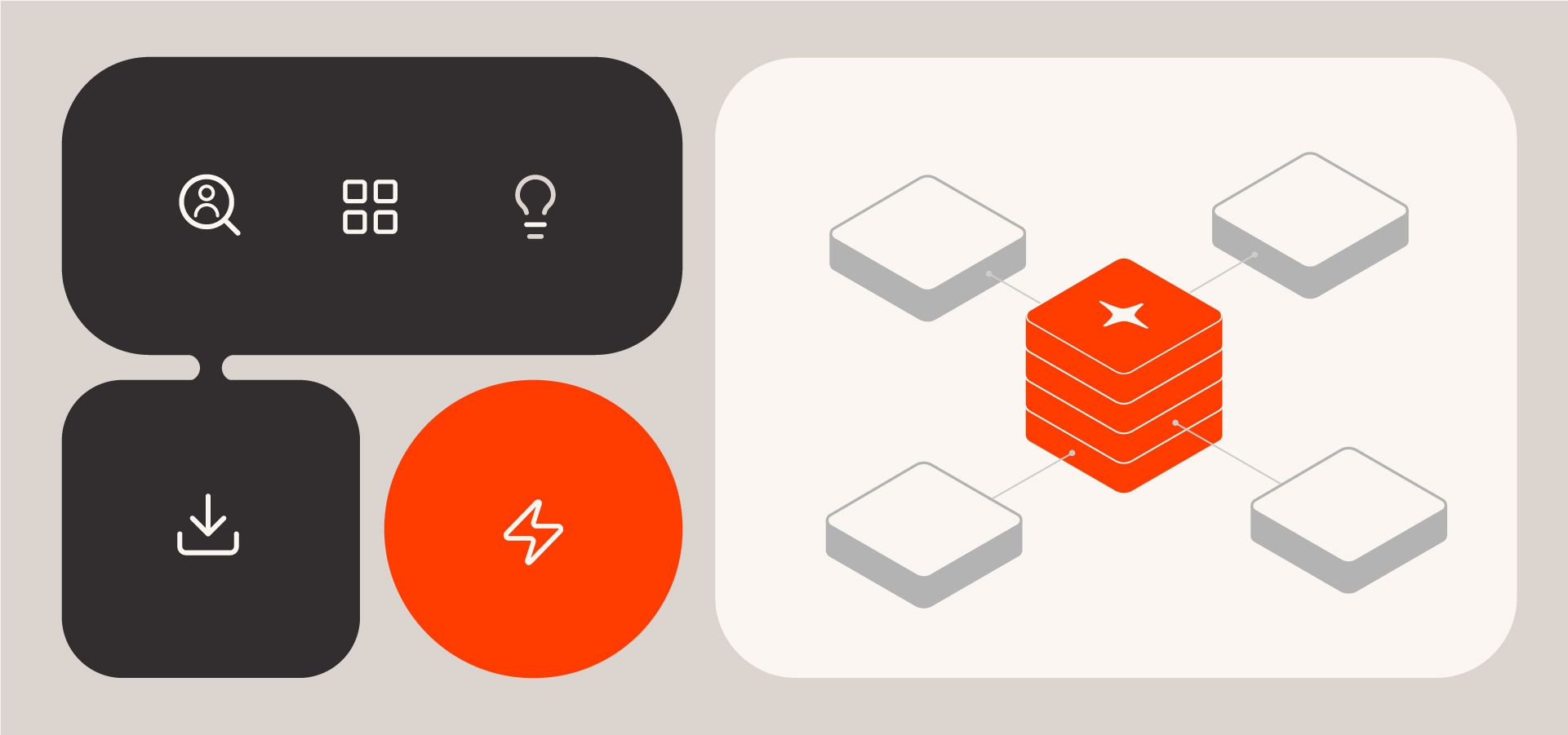
While I'm iterating on an onboarding flow, the Agent might surface a finding from the last round of usability studies showing that users struggled with a similar pattern. That research context doesn't live in my head or in a forgotten Confluence page — it gets woven into the build process as it's happening.
Then, on the other end, through connectors like the Atlassian MCP, finalized acceptance criteria can automatically create and assign Jira tickets once the team agrees the prototype is ready for engineering. No manual ticket grooming from a stale requirements doc. The requirements were written by the prototype's evolution, reviewed by stakeholders along the way, and handed off with full context.
This is what ties the whole thing together. User research informs the prototype. The prototype generates the requirements and alignment materials. The requirements flow into engineering. The marketing artifacts stay current. And the PM isn't the manual sync layer holding it all together; the workflow is.
How Replit Agent 4 makes this possible
Everything I just described — the prototype-as-source-of-truth model, the automated artifact generation, the integration layer — isn't theoretical. It's how I actually work in Replit Agent 4.
Every request to Agent 4 is broken into discrete tasks that run in parallel in the background. You can track the status of each task in real time, review the results, and approve before anything merges into your main project. It's not a chat thread where work disappears; it's a structured, reviewable task pipeline where the PM stays in the loop at every step.
Matt Palmer of Replit’s Development Relations runs through Agent 4’s “Parallelism” with Head of Community, Francisco Cruz Mendosa
Multiple builders can add tasks simultaneously, and Agent 4 sequences and executes them in optimal order, handling dependency management automatically. Your designer can request a UI change while you're briefing a backend task, and the Agent figures out what to run first. The PM's job becomes setting priorities and approving outputs, not sequencing and status-chasing.
Agent 4 also handles the artifact layer that makes the prototype-centric workflow possible. The same environment that contains your source code, design context, and runtime can also generate the slide decks, requirements docs, and marketing briefs your organization needs to ship. When I iterate on a feature, Agent 4 can regenerate the acceptance criteria, update the leadership deck, and draft the updated positioning — all from the same context, without me switching tools or re-explaining what changed.
And because Replit connects to external services through integrations, the workflow extends beyond the Workspace. Internal research informs the build. Finalized specs push to project management tools. The prototype becomes a hub, not an island.
For the skeptical PM: this isn't less visibility than your current workflow. It's more. The prototype, the tasks, the artifacts, and the review workflow all live in the same place. You see everything. You approve everything. You just don't have to manually keep it all in sync anymore.
Rethinking your role when the Agent is doing the work
When the execution layer gets faster, the PM's job doesn't shrink, it shifts. You spend less time routing status updates and more time on what requires human judgment: setting priorities, evaluating outputs, and deciding what not to build.
This is the higher-leverage version of the PM role. Instead of documentation-first thinking, you shift to prototype-first thinking where the gap between "what if we tried this?" and "here, try this" nearly disappears. You're showing stakeholders a working thing, not debating a spec in a doc. And because the artifacts travel with the prototype, alignment doesn't require a separate workstream.
Trusting an Agent with execution develops over time. Start with low-stakes tasks. Review carefully. Build intuition for where the Agent shines and where it needs tighter briefs. But once you experience the loop — iterate on a prototype, watch the requirements and decks and briefs update alongside it, push finalized work directly to engineering — it's hard to go back to the old way.
The builders who figure this out first won't just be more productive individually. They'll set the standard for how their entire organization ships.
See how Agent 4's task-based workflow keeps you in control while the work moves in parallel. Request a demo of Replit Agent 4, and watch the review-and-approve flow with your own cross-functional scenario.
About the author
Corey Wall is a Product Manager who builds platforms at scale — chaining together agentic workflows and personalization infrastructure into scalable, repeatable product machinery. He brings a builder's instinct to every system he designs, turning prototype-driven thinking into platforms with compounding returns.